

Associate Dean Nicole von Germeten reflects on the program’s growth, interdisciplinary roots, and experiential learning opportunities on Oregon’s coast
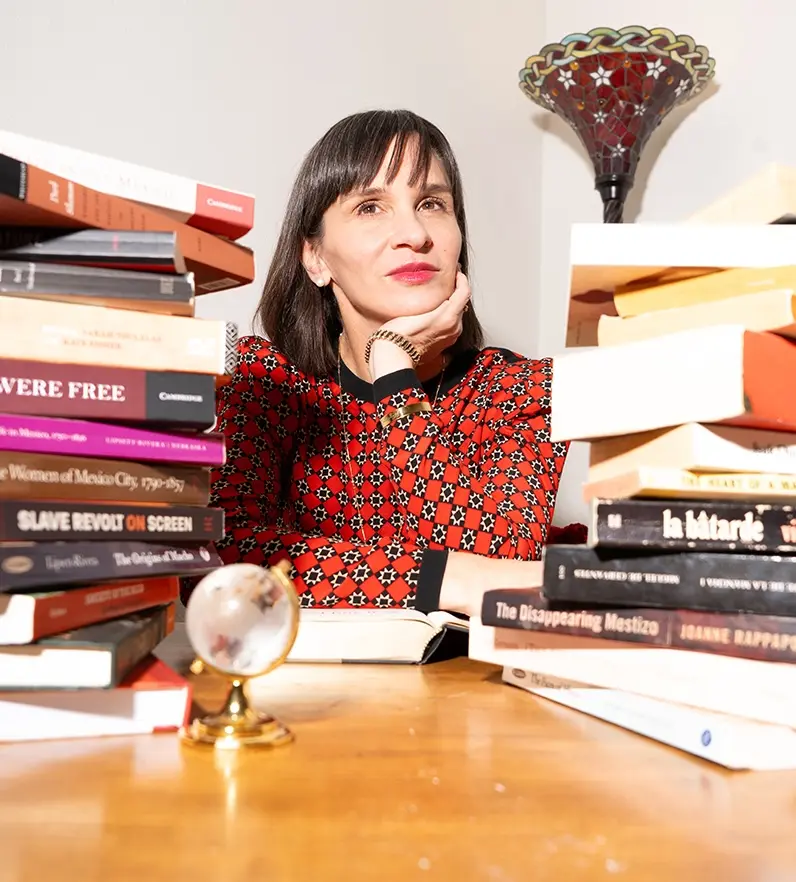
Nicole von Germeten
By Colin Bowyer, Communications Manager - April 21, 2026
Now in its fifth year, the marine studies program at the College of Liberal Arts continues to grow and shape the next generation of ocean-focused educators, artists, thinkers, and more. Rooted in OSU’s long-standing commitment to coastal resilience, marine science, and experiential learning, the program brings together students and faculty across disciplines to address some of the most pressing challenges facing our ocean and coastal communities.
Nicole von Germeten, associate dean and director of the marine studies program, offers insight into the program’s mission, opportunities, and the unique experiences that define marine studies at CLA.
Now that a few years have passed with marine studies as an official major/minor, what has stood out the most about the program’s development?
I am most impressed by the enthusiasm of every MAST major I meet, both online and on campus, as well as their love and dedication to the marine environment.
What are you planning or looking forward to in the next five years of offering marine studies?
I am excited for students to work with Professor Anna Guasco in Writing for Marine Studies (MAST 444). In our new WIC class, students will learn basic research (data) gathering techniques and methodologies, as well as how to translate their data in a research paper. It's going to be a great class for those early in their research careers and interested in carrying out their own novel qualitative or quantitative research. The best part is that the course is still entirely focused on marine studies. Outside of that, I’m excited to watch more MAST students pursue the work that they love, and graduate!
Another exciting new addition to the MAST curriculum are a range of coastal learning classes run by CLA faculty. These include a class focused on the Fisher Poets gathering in Astoria and the Big Blue Film Festival in Newport, among other creative opportunities. MAST students can enroll in MAST courses which focus on experiential learning based on these events. The courses include preparatory work and class meetings in Corvallis, transportation as a group to the Oregon coast, and overnights and meals together as a group.
With other marine-related majors and programs on campus, what makes marine studies at CLA stand out?
As compared to other programs on campus, like oceanography, aquatic biology, etc., marine studies at CLA is a humanities and social science-based program that explores the various layers of human and ocean interactions. Students are learning new perspectives from CLA faculty in various disciplines, like Indigenous studies, anthropology, public policy, and sociology. Experiential learning opportunities on the coast and at the Hatfield Marine Science Center take students out of the classroom and learn in the environments that they are studying.
Have there been any student projects, internships, or stories that have surprised or stuck out to you these past few years?
For over three years, I have personally worked with almost every MAST major, ranging from those just starting their coursework in MAST 201 to those who are finishing their capstones and internships. So many students have done creative and exciting projects as part of the MAST degree. We have students who focus on filmmaking, working in labs, advocating for marine conservation, and working internationally. Each and every student brings a unique passion to MAST. I appreciate their creativity and courage for daring to take on a new and innovative major, inspired by their personal love for the ocean.
What are some classes or experiences marine studies students should take advantage of while they’re here?
In terms of classes, I made an effort to include all of these opportunities within the curriculum so CLA’s MAST advisors can guide students through a degree that includes a wide range of academic experiences available to them at OSU. I encourage them to speak with Prof. Guasco early about their dreams for an ideal internship so we can work to make those come true.