Examining disability through an intersectional lens

By Colin Bowyer on Dec. 18, 2025

Ph.D. student Marisa Krauter’s research illuminates the societal biases towards people with facial differences
Image
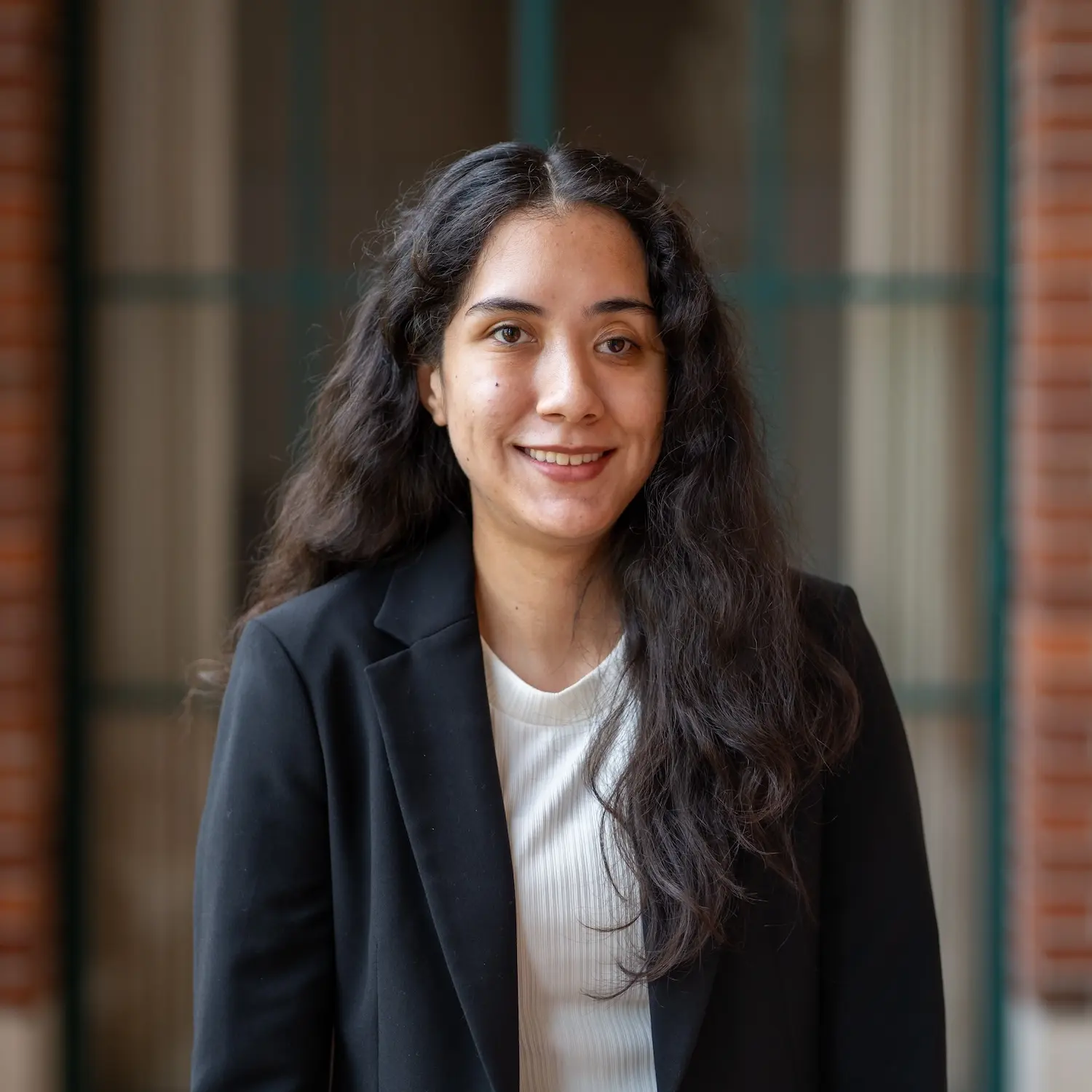
woman wearing black jacket and a white shirt smiling at the camera

Marisa Krauter

By Taylor Pedersen, CLA Student Writer - December 23, 2025

Marisa Krauter, a fourth-year psychology Ph.D. candidate at the College of Liberal Arts, has spent her academic years probing questions that many shy away from: how society perceives disability, particularly among people of color, and how those perceptions affect mental health and social interaction. Working in Dr. Kathleen Bogart’s Disability and Social Interaction Lab, Krauter’s research explores the nuanced experiences of individuals living at the intersection of multiple minoritized identities.

Growing up in Fresno, California, in a bi-racial Hispanic household, Krauter recalled an early fascination with the mind. “I remember being in elementary school and saying I wanted to be a psychologist,” she recalled. “I thought if you understood how people’s brains worked, you’d understand everything. Even though I don’t think that’s true now, that curiosity stayed with me.”

Her undergraduate studies at San Diego State University initially focused on cognitive psychology, where she explored anxiety. But Krauter quickly realized she wanted her work to have a tangible impact. “The research was so theoretical… I wanted to do something that could actually benefit people.”

That realization led her to Dr. Bogart’s lab at the School of Psychological Science, a hub for research on disability and social interaction. “Kathleen’s research was the closest to what I wanted to do for my career,” Krauter said. “She’s one of the leaders in the field, and it was so easy to talk with her about my interests and goals. She’s an amazing mentor.”

Krauter’s master’s thesis examined how people of color with disabilities cope with discrimination. She found that individuals with visible disabilities often feel excluded from both their racial or ethnic communities and disability communities, creating a sense of not fully belonging anywhere. “People don’t really think of people of color as having disabilities or disabled people as people of color,” she explained. “That mismatch changes how they cope and who they turn to for support.”

Her doctoral research builds on this foundation, focusing on facial differences and the societal biases people with visible differences encounter. Although her dissertation is in the early stages, Krauter has observed patterns of public stigma: staring, intrusive questions, and unequal social treatment. “People with facial differences are remembered, but that visibility comes with stress,” she noted. “There’s ostracism, harassment, and privacy invasions. Strangers often feel entitled to ask about their medical history, which most people wouldn’t experience.”

Krauter’s interest in intersectionality is deeply personal. Growing up with multiple minoritized identities shaped her understanding of how discrimination can be ambiguous and multifaceted. “When someone is discriminating against a person with multiple marginalized identities, it’s sometimes unclear why. Is it their race, their disability, their gender? That ambiguity creates cognitive load and affects coping,” she said.

Despite barriers within psychology, including limited federal funding for intersectional research and skepticism toward scholars studying identities they share, Krauter remains undeterred. “People sometimes try to disenfranchise minoritized researchers from studying minoritized populations,” she said. “But I’ve learned how to navigate those challenges, and I’m not going to let them get in my way.”

Now in her fourth year of the Ph.D. program, Krauter balances research, teaching, mentoring, coursework, and involvement in student organizations. “The most rewarding part is the research; designing studies, analyzing results, and seeing findings that can have real meaning,” she said. “The most challenging part is juggling all the different roles and responsibilities, but it’s doable and worthwhile.”

Looking ahead, Krauter hopes her work will broaden society’s understanding of disability, race, and mental health. “I want people to see disability in combination with other identities, not as a siloed concept,” she said. “I hope my research leads to applied findings that can directly support communities and inform broader conversations about inclusion and social equity.”

For Krauter, psychology isn’t just about understanding the mind; it’s about using that understanding to reshape the social world, ensuring that the experiences of people at the intersections of marginalized identities are recognized, valued, and supported.
 

Writing queer love stories

By Colin Bowyer on Dec. 18, 2025

Creative writing student Max Loew talks about giving time to their creative outlets while working towards their aspiration of becoming an author

Image
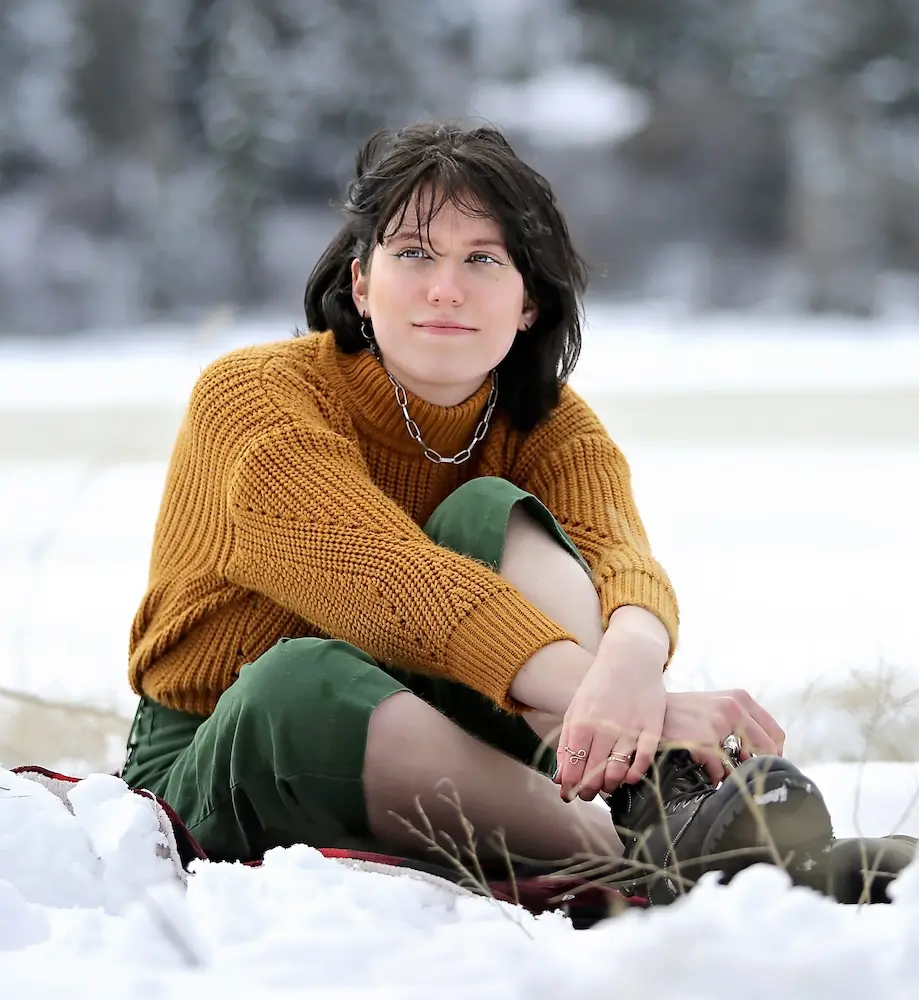
person wearing an orange shirt, green pants, and boots sitting in the snow and looking off into the distance

Max Loew

By Ellie Webb-Bowen, CLA Student Writer - December 23, 2025

Growing up, Max Loew was used to moving a lot. Their father, a pastor, was frequently transferred to different congregations around the country, including stops in Michigan, Washington, and Wisconsin. After moving to Oregon, he found work with the Klamath Tribes, which allowed Loew's family to settle down in Southern Oregon. During their earlier years picking up and moving, Loew would stay busy reading and writing their own stories, mostly fantasy-adjacent tales.

Loew always knew they wanted to pursue higher education and OSU was a good fit. As a writer, Loew took an interest in the writing program offered through the School of Writing, Literature, and Film, but initially enrolled as a psychology major. Loew loved writing, yet like many young adults coming into college, they were also unsure about if writing could lead to a viable career. 

“I went in with all of the external pressures a college student has about majoring in an artistic degree,” Loew explains. But then they discovered that maybe it would be best to follow their aspirations. “I found psychology, and I still do, very interesting. I use a lot of psychology concepts in my writing, so the initial dip into the program paid off if anything.” 

After a start in the School of Psychological Science, and with help from therapy, Loew determined that finding happiness through switching majors was going to be the most fulfilling long term. “I’ve been writing since I was a kid, I just love it,” they said. “At that moment, I felt like if I didn’t switch, I would regret it for the rest of my life.” 

Since beginning in the School of Writing, Literature, and Film as a creative writing major, Loew has worked under the guidance of notable faculty, including Instructor Brandy St. John and Associate Professor Jennifer Richter, both of whom have encouraged Loew to be creative without hesitation. "Regardless if they know or not,  both really helped me broaden my understanding of my own writing," Loew said. "I just really loved and appreciated their courses." 

Complementing their coursework in writing and journalism, Loew wrote prolifically for The Daily Barometer, OSU’s student-run newspaper, eventually achieving the role of campus editor. Their position at the paper taught them news discipline and management and leadership skills, as well as increased their confidence in publishing pieces of their writing. 

In addition to writing for the school newspaper, Loew participates in the Orange & Black Film Club. They wrote and directed one short film, titled The Hallway, a horror movie based on the never ending hallways of the Finley Hall dorm, before serving as the director of photography for the second, titled Body in the Forest. Loew appeared in two films produced by the collective, offering them a creative outlet other than writing. "I did a lot of theater when I was a kid. Right now, I have not written any new scripts, but I am helping a friend with a passion project of his outside of the club." 

Loew is also close to finishing their first novel, titled To Eternal Bliss. Described as “tragic queer fiction,” they began working on the passion project roughly three years ago. Influenced by the video game "The Last of Us" and their experience as a queer woman. A big motivation to write about queer love is connected to the exploration of love in general; diving into the reasons as to why people love and how they show it.

"I just want this love story to be about love," they stated. “I want to write books for readers who want to feel things, as an art of expression, rather than make money.” 
Queerness in literature, as Loew explained, is often viewed through very critical lenses, but through their writings they are exploring what will happen if readers simply embrace queer love as something that has the right to exist as it is. 

"Love can be anything, it doesn't have to be linear or labeled for people to understand that it is out there in the open," said Loew. “I just really like exploring the human psyche and what certain things push humans to make certain decisions.”

How Mackenzie Ruff learned to lead through music

By Colin Bowyer on Dec. 8, 2025

Ruff, an alumna of the music technology and production program in the School of Visual, Performing, and Design Arts, now interns at Electric Lady Studios in New York City

Image
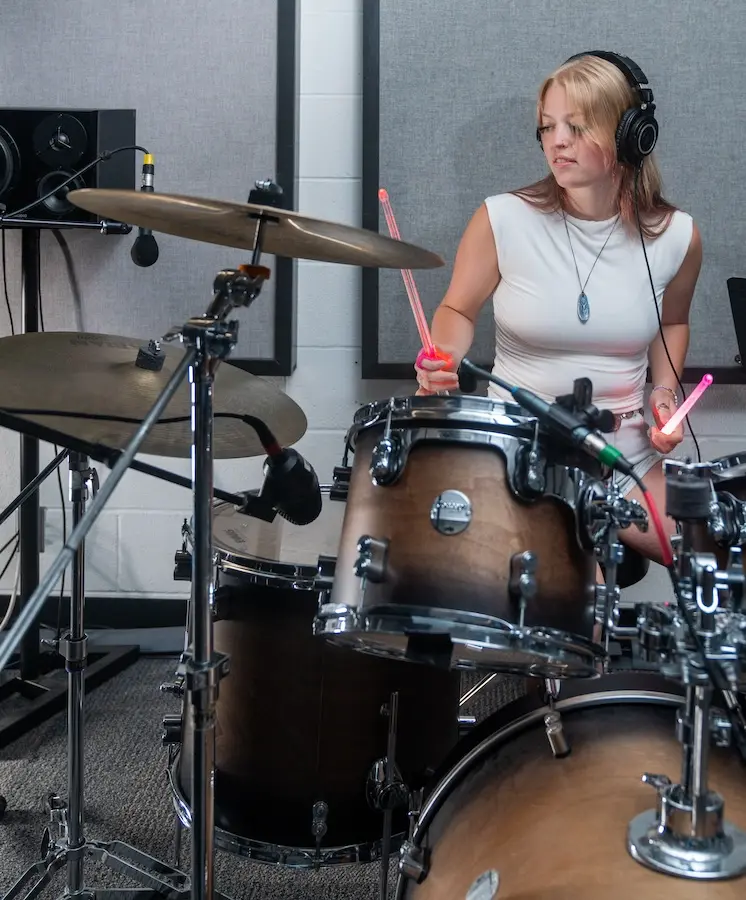
a woman in a white shirt playing drums with headphones on

Mackenzie Ruff

By Taylor Pedersen, CLA Student Writer - December 10, 2025

When Mackenzie Ruff, '25, arrived at OSU five years ago, she believed music would remain a private part of her life; something done in notebooks and bedrooms, not in studios or on stages. She had always been the kid who sang constantly and wrote songs, asking older cousins how to turn thoughts into lyrics. But she didn’t picture music as a career.

“I just didn’t think I could actually make it as an artist,” she explained. “I still wanted music to be something I could do for fun, something that felt like mine.”
Ruff graduated last spring with a double major in human development and family sciences (HDFS) and music technology and production (MTP), a combination that reflects both the emotional and the creative curiosity that shaped her time at OSU. She began in HDFS, after taking an introductory course her freshman year and realizing she could see herself building a career around helping people. Music remained a constant, but a personal one, until an academic advisor encouraged her to try a production class. Later, she declared the minor, and eventually, after discovering the breadth of careers in audio and sound design, added music as her second major.

“I didn’t know how much existed behind the scenes,” she said. “Once I got into the production classes, I realized I really enjoyed being in the studio and helping other people make their music. I thought I would be sad not being the artist, but I actually found that I loved producing too.”

This dual perspective, artist and collaborator, shaped her approach to OSU’s MTP Album Project, a student-led initiative in which students write, record, and release a full-length album each year. Ruff submitted her own song to the project as a junior and joined the team as an artist. Her role grew quickly: she became the project’s manager in her senior year and completed her undergraduate career as its lead producer.

Each stage taught her something different.

As an artist, she learned vulnerability: what it means to trust others with your songs. As a manager, she learned logistics: how to communicate, schedule, and keep a project moving. As the lead producer, she learned to cultivate vision: how to guide others without overshadowing them.

“There’s a lot of collaboration in music,” she said. “I think HDFS really helped me there; learning how to work with different personalities, how to listen, how to communicate what someone is trying to say even when they don’t have the words yet.”

Her background as a multi-instrumentalist helped too. Ruff plays guitar, drums, and sings, and that flexibility allowed her to support other artists in the studio, suggesting harmonies, helping shape rhythm sections, or even stepping in to record instrumental parts when needed.

“The more instruments you know, the more ways you can help,” she said. “It opens up collaboration.”

Looking forward, Ruff sees her academic and musical backgrounds continuing to inform one another. She has considered careers in counseling, community programming, or youth-focused work, and she’s thought about how music could fit into those spaces.

Last summer, she worked as a camp counselor and suggested incorporating a music day. She brought instruments, recording equipment, and helped the kids make a collaborative track. The experience reinforced what she already understood intuitively: music builds connection. 

“I’ve always liked helping people,” she said. “And music is another way to do that.”

When asked what she is most proud of from her time in the MTP program, she doesn’t name a performance, a song, or a specific moment. Instead, she talks about growth; her own, and the communities she built.

“I came in thinking music was only something I did alone,” Ruff said. “Now I know how to collaborate, how to lead, how to trust other people with the work. That’s what I’m proud of.”

And for those just entering the program, or hoping to move from contributor to leader, her advice is simple:

“Start wherever you are. Say yes to collaborating. Be willing to try something even if it feels new or intimidating. You don’t have to show up already knowing everything. You learn by doing—together.”


Bringing her passion for teaching and literature into the middle school classroom

By Colin Bowyer on Dec. 8, 2025

Education-English double-degree senior Emma Poll is now a student teacher at Linus Pauling Middle School

Image
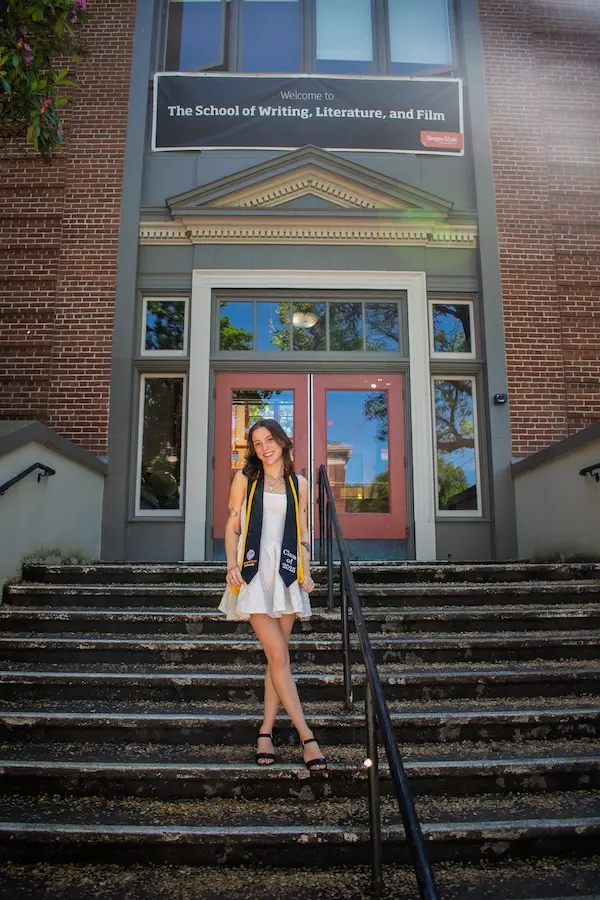
a student wearing graduation garb standing on the steps of a building

Emma Poll

By Ellie Webb-Bowen, CLA Student Writer - December 10, 2025

Senior Emma Poll has always felt drawn to the teaching profession. Her father, a middle school science teacher in Eagle Point, just north of Medford, was a huge influence on her decision to pursue teaching as a potential career. Coupled with a series of profoundly impactful high school English teachers and an appetite for reading, Poll is now close to finishing her degree in the College of Liberal Arts and College of Education’s double-degree program, where students receive English and education degrees at the same time, as well as a teaching license. During her final year, Poll is student-teaching eighth grade language arts at Linus Pauling Middle School in Corvallis.

But her time at Oregon State didn’t necessarily start on the humanities side of campus. Initially committing to Oregon State as a BioHealth Sciences major on the pre-physician assistant track, Poll was interested in exploring the medical field. Despite being an educator himself,  Poll’s father also encouraged her to explore fields outside of education due to the generally subpar working conditions and compensation for teachers across the country.

While in BioHealth Sciences, Poll would oftentimes have to walk past Moreland Hall, home to the School of Writing, Literature, and Film, to get to her classes, but she first encountered the school during her first tour of campus. “When I saw the school’s banner on Moreland Hall, I thought ‘I wish I belonged there.’ I was already a big reader and writer in high school, so there was something about majoring in English or literature that I was still drawn to at that time.”

Poll excelled at her chemistry, biology, and public health courses so much that she ended up tutoring many of her friends and peers. “The funny thing was,” Poll remarked, “that during those early STEM years, I preferred to do the teaching and tutoring, rather than learning them myself.” This realization, along with the positive experience she’d been having in the school already, prompted Poll to drop BioHealth Sciences and pick up English and education. 

Adding to her list of impactful English teachers from high school, Poll encountered the same passion and zeal for writing and literature at OSU. During her freshman year, Poll took Professor Rebecca Olson’s Shakespeare (ENG 201) and, despite not being a devout William Shakespeare fan, she ended up loving the course. “Professor Olson was so knowledgeable about Shakespeare and his writings,” recalled Poll. “She knew the material inside and out and created this relaxing and welcoming environment in the classroom. You could see her passion from the way she taught, she made learning enjoyable.” 

Passion rubs off on people — those who fully believe in what they do make the difference. Another favorite of Poll’s was Professor Kristy Kelly’s Digital Literacy and Culture (WR 497), “Professor Kelly and Professor Olsen have a great way of getting their content across with emotion,” Poll said. “Their classes have always been fun and engaging, despite the heavier topics.”

Poll is also a part of Kappa Delta Pi, the honor society for the College of Education, and Phi Beta Kappa, an interdisciplinary honor society for the liberal arts and sciences. 

Outside of the classroom, Poll was a member of OSU’s club volleyball team, in addition to being a tutor for OSU athletes. Now in her third year as a tutor and peer mentor, Poll works with student-athletes who are looking for extra academic support during and after their sporting season. Meeting a couple times a week, Poll gets together with underclassmen one-on-one to walk through assignments, help with studying, and assist with other academic tasks and deadlines. 

“I want to help students excel at whatever stage they are at in their academic journey,” said Poll. “Not only do I get to assist them, but our sessions help me to improve my own teaching.” 

This year, Poll started her student-teaching at Linus Pauling Middle School. “I just love it,” she said. “The kids are so bright-eyed and bushy-tailed, it’s just really fun to be around.” Poll was able to observe two teachers at Linus Pauling, and ended up getting picked to be a student-teacher for eighth grade language arts. Poll is currently in the classroom 12 hours a week, but by the spring, she’ll be developing her own lesson plans and leading instruction daily.

Though she initially started down the path of being a medical student at OSU, Poll felt the draw of becoming a teacher and couldn’t pass up the opportunity to change course and take advantage of the unique dual major program offered through the College and Education and College of Liberal Arts.

“I may no longer be in the classroom at OSU, I’m still stepping into one everyday,” said Poll. “I’m going to graduate with two separate bachelor’s degrees; I’ve never heard of that happening elsewhere. It’s such a cool program and I’m so happy I ended up here.”


Banking leadership guided by communication

By Colin Bowyer on Dec. 8, 2025

Speech communication alumnus Griffin Zollner uses what he learned from the School of Communication in his financial services career

Image
headshot of man in pink shirt and blue jacket

Griffin Zollner

By Colin Bowyer, Communications Manager - December 10, 2025

Griffin Zollner, ‘06, has never called anywhere but Oregon home. Born in Lebanon, Oregon, and raised across the state, from La Grande in the northeast to Salem, Eugene, and finally McMinnville; his childhood was a patchwork of small towns and university campuses. His father’s career with U.S. Bank meant frequent moves and regular visits to colleges across Oregon. But one campus always stood out.

“I remember going to Oregon State games as a kid,” Zollner recalled. “When I set foot on campus again as a young adult, I knew it was home and it all clicked.”

That early exposure to higher education, paired with the warmth of the OSU community, made his college decision easy. Zollner was “all things business” and initially enrolled in the College of Business, diving straight into a world of finance, management and information systems, but after hours of excel formula analysis, Zollner started to look at other options.

The switch was impactful to Zollner’s academic and career development. In the School of Communication, Zollner found a curriculum more tailored to his strengths. “You were a bigger fish in a smaller pond,” he said. “The faculty were 100% supportive, not just of the coursework, but of the students themselves.”

Dr. Michael Beachly, professor emeritus, taught several of Zollner’s entry-level classes and became a mentor. “He was incredible,” Zollner said. “I tried to take every class he offered. He challenged me in a good way, made learning fun, and created a back-and-forth that made the classroom come alive.”

After graduating, Zollner didn’t necessarily have a clear career path. He spent the summer and fall traveling overseas, gaining insights that broadened his worldview. When he returned home to Oregon, he found himself in sales and finance roles around Eugene, a path that didn’t feel quite right.

Eventually, Zollner pivoted to U.S. Bank, the same institution that shaped much of his childhood. Starting as a banker and teller, he quickly found his footing. “I had a great support network,” he said. “I was excited to support myself and my family.”

Zollner felt an immediate passion for business banking banking, which took him to the far reaches of Oregon connecting with small businesses and helping with underwriting, relationship management, and client retention. He supplemented his learning by taking banking courses to deepen his expertise and soon found himself managing two branches in Lincoln City. “It was a crash course in managing people,” he said. “I became a student of learning on the job.”

From there, Zollner’s career accelerated. He moved to McMinnville as a District Manager, overseeing a growing number of locations, eventually expanding from seven to 21 branches. The role demanded a balance of sales, service, and risk management, but Zollner thrived, especially in coaching and developing banking teams.

“A big part of my job is helping managers and teams reach their highest potential,” he explained. “I try to provide the same support I received early in my career.”

Zollner credits his communication degree for much of his success. Whether speaking with executives, giving presentations, or relaying complex initiatives, his training at OSU laid the foundation. “There are always nerves when presenting,” he admitted. “But the degree gave me the tools to handle it.”

From written reports to verbal briefings, Zollner’s communication skills have become indispensable. “Everyone in corporate America needs excellent communication skills,” he emphasized. “It’s helped me personally and professionally and I’ve been able to help others with the skills I’ve learned.”

He often finds himself pulse-checking, dissecting, reevaluating, and networking, all skills rooted in his liberal arts education. “There are so many opportunities tied to liberal arts,” he said. “The skills are applicable in every aspect of life—corporate, personal, relationships, friendships.”

For Zollner, communication came naturally. But having an education to back it up has been invaluable. “It’s something I’ll always be grateful for,” he says. “You just have to give it the due diligence.”


Choosing colors for a presidential palette

By Colin Bowyer on Dec. 4, 2025

Art Instructor Anna Fidler curates drawings, paintings, and sculptures for both the President’s residence and sixth floor of Kerr Administration building

Image
art teacher working with students in a design studio

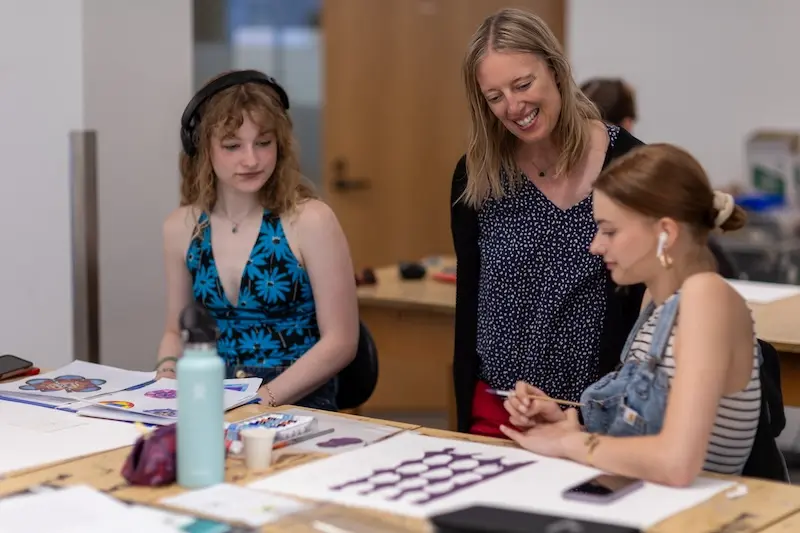
Artist and Senior Instructor Anna Fidler working with students in 2-D Core Studio (ART 115)

By Colin Bowyer, Communications Manager - December 5, 2025

Color possesses a transformative power, capable of altering not only the physical environment but also the emotional atmosphere within it, even in more unconventional spaces.

For the fourth consecutive year, Anna Fidler, senior instructor in the School of Visual, Performing, and Design Arts (SVPDA), has curated artwork placed in the 6th floor of the Kerr Administration building, as well as OSU President Jayathi Murthy’s residence. Fidler, a contemporary painter based in Corvallis, works with both local and regional galleries to source, and populate the walls of each space.

As a collaboration between SVPDA and the Patricia Valian Reser Center for the Creative Arts (PRAX), Fidler was invited in 2021 by Peter Swendsen and Peter Betjemann, the directors of SVPDA and PRAx respectively, to begin to annually source both 2-D and 3-D art to elevate both presidential spaces, each unique in their structure and style. The rotating of artwork, which occurs annually, is based on a theme that Fidler crafts herself, in partnership with President Murthy.

“It’s an honor and a challenge to activate both of these institutional spaces with art from a variety of mediums and by a variety of artists,” said Fidler. “Even in spaces such as a traditional office setting, artwork can influence the mood of people and affect the tone of the surrounding environment. It’s always a fun challenge to develop a theme and, then, assemble these related pieces together to display.”

President’s residence

A focal point and event space for the entire OSU community, the residence where past presidents of Oregon State (and Oregon Agricultural College) lived has moved several times over the past 100 years. Starting in 1921, a grand home stood behind Shepard Hall off of Monroe Avenue, which was eventually demolished in 1957. Presidents took residence in-and-out of several Corvallis homes until 2019, when a traditional 1930s, craftsman-style home south of campus was purchased by the university for future leaders of OSU. 

Fidler’s job is to activate the historical rooms that are used both for residential and entertaining purposes, with art that complements and uplifts the inviting natural elements of the home. Starting with initial brainstorming, “just like anyone developing a lesson plan,” Fidler considers the lighting, color, and flow of each room to reflect the nature of each space. “The questions I’m asking myself are: what is the vision that I’m projecting here? What do I want people to remember upon first noticing the artwork and how will it impact them?”

After consultations with President Murthy, Fidler settled on the theme of “Color Forms” for this year’s cycle of artwork. 

Inspired by the French writer Anaïs Nin, who wrote about the color-coded emotional landscape within her home, where each room was painted a different hue to reflect its intended mood, Fidler’s choices explore the dynamic relationship between color and form of each room in the President’s residence. 

“Nin’s words reflect how color can influence our emotions and guide the energetic atmosphere of our personal spaces,” said Fidler. “With drawings, paintings, and sculptures from artists around the Portland metro, their work not only reflects the nature of the space but elevates it both physically and emotionally.”

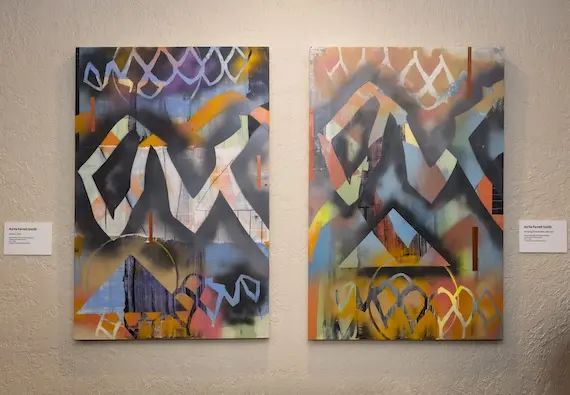
The dining room features works by Kristen Diederich, Tia Factor, and Petra Sairanen, whose bold red tones energize and invigorate the space. The living room includes wall mounted pieces by David Schell, suffused with various shades of blue-green, evoking a connection to the natural world albeit via geometric minimalism. In contrast, the foyer is enveloped in a welcoming warm yellow-orange palette including prints by Ka’ila Farrell-Smith. Two minimalist, yet colorful, sculpted pieces by Iván Carmona were added to the sunken living room and entryway. 

“We’re so fortunate to have such a talented artist and curator to share her expertise with the OSU community. Here in Oregon, beauty from the natural world, especially color — from earthy reds to calming blues and, of course, vivid oranges — infuses our everyday experience with seasonal character,” said Murthy, OSU’s 16th president. “Working across a living space, Anna engineered an experience with similar variations, drawing upon specific pieces and their hues to set moods and evoke feelings. The result is an intentional feel in each space.”  

Kerr Administration Building

Traditionally, the art placed in the President’s office and on the sixth floor of the Kerr Administration emphasizes works by artists with connections to Oregon State, including current and emeritus faculty, alumni, and students. This year, two arts educators from SVPDA share the platform: Andrew Myers, senior instructor of art, and Kirsi Peltomäki, professor of art history. Selected artwork for the sixth-floor pairs experiments with color and the geography of the Pacific Northwest with animal forms and shapes that live within it. 

“The Kerr Administration Building is a classic 1970s office construction, with a focus on an open floor plan and constructed cubicles,” said Fidler. “I love seeing how art can transform a space such as this.”

Peltomäki draws inspiration from the landscape of Oregon, including the Oregon Caves National Monument and Preserve in Cave Junction from her series, Holes, the creek-side vegetation in her series, Thicket, as well as the landscape she observed near Eastern Oregon’s Summer Lake. Myers has long studied the wildlife of the Pacific Northwest with special dedication to wolves. In his monotypes, he explores the formal qualities of shape and color with the mysterious silhouette of the wolf.

“As curator, it’s my hope that both workers and visitors to the sixth floor of Kerr will observe and ask questions pertaining to color, abstraction, and the natural world and how it relates to both our imaginations and the reality of our existence within it.”

Image
a hanging painting with a sculpture on a dresser

A painting by Tia Factor and sculpture by Iván Carmona in the President's residence

Image
an artist pointing at a painting hanging on the wall

Artist Kristen Diederich showing her paintings at the President's residence in November

Image
two pieces of hanging paintings

Two paintings by Ka'ila Farrell-Smith hanging in the President's residence

College of Liberal Arts year-end reading list 2025

By Colin Bowyer on Dec. 2, 2025

Here are just some of the books CLA faculty and staff couldn’t put down in 2025!

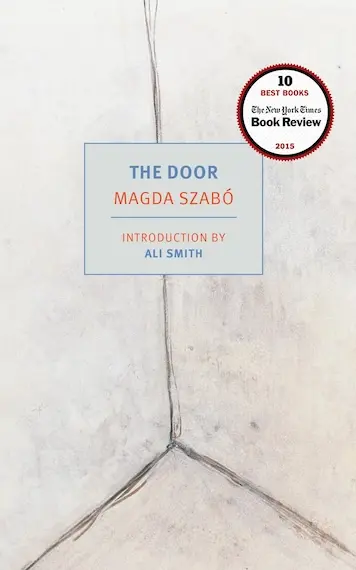
The Door by Magda Szabó

Hannah Ariesen, Instructor, School of Writing, Literature, and Film

“I was sad to finish such a masterpiece and will be thinking of this one for a long while. An excellent translation from Hungarian, this novel depicts the strange and powerful relationship between a writer and her cleaning woman in 1970's Hungary. An excellent account of historical fiction, it also poetically conveys what the frailties and powers of love can compel us to do. Perhaps it leads us to open doors we shouldn't, or ones we should. It is left for the reader to decide and discover what is hidden behind 'The Door.'”

Image
cover image of The Door

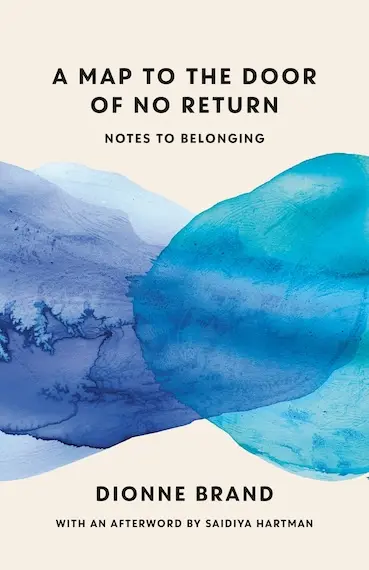
A Map to the Door of No Return: Notes to Belonging by Dionne Brand

Surabhi Balachander, Assistant Professor, School of Writing, Literature, and Film

“It's impossible to pick a single favorite book that I read this year, but as soon as I read A Map to the Door of No Return, Dionne Brand's genre-defying work of memoir/travelogue/theory, I added it to the syllabus for my graduate seminar this fall. I loved rereading it alongside our brilliant M.A. students and discussing how Brand explores colonialism, geography, and the afterlives of transatlantic slavery. ”

Image
cover image of A Map to the Door of No Return

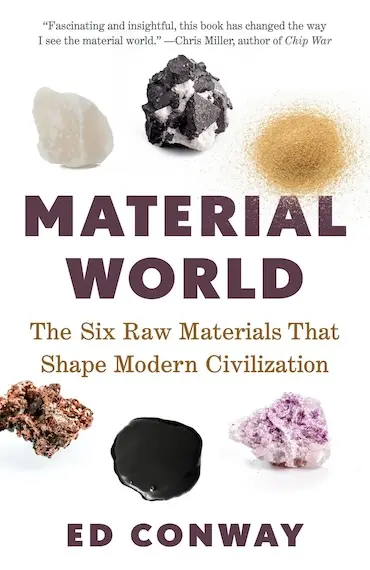
Material World: The Six Raw Materials that Shape Civilization by Ed Conway

David Bernell, Associate Professor of Political Science, School of Public Policy

“The book talks about six raw materials that civilization depends upon. You might not think that 450 pages on sand (in glass, concrete, computer chips), salt (in more than you ever thought), iron (in every building, car, bridge), copper (in every wire), oil (like I need to tell you), and lithium (the next great thing?) would hold your interest, but it's riveting. ”

Image
Material World book cover

Mood Machine: The Rise of Spotify and the Costs of the Perfect Playlist by Liz Pelly

Colin Bowyer, Communications Manager

“Pelly provided a fantastic under-the-hood examination of Spotify that I never considered before. The data-heavy exposé presented how the application is more of an algorithmic advertising machine than music platform, all the while capitalizing on user data and seemingly under-compensating artists.”

Image
an image of the the book Mood Machine's cover

Cloud Cuckoo Land by Anthony Doerr

Raven Chakerian, Senior Instructor of Spanish and Italian, School of Language, Culture, and Society

“Despite the complex plot that weaves together stories from three centuries and multiple locations (including outer space), the writing was so good that I never lost track of the threads of this engrossing read as it unfolded before my mind's eye in intensely vivid color and detail. Though you may expect the themes of war, greed, climate destruction, mental health crisis and poverty to paint a dreary picture, this book was full of beauty, hope, joy and glimpses of humanity at its most connected and kindest moments.”

Image
an image of the cover of Cloud Cuckoo Land

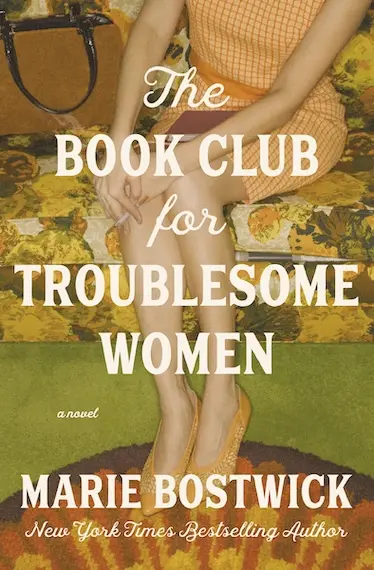
The Book Club for Troublesome Women: A Novel by Marie Bostwick

Erin Cook, Senior Instructor, School of Communication

The Book Club is an interesting look at women and their place in society both historically as well as presently.”

Image
cover image of The Book Club for Troublesome Women

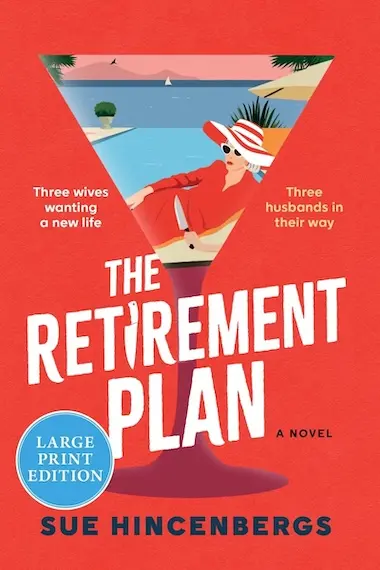
The Retirement Plan by Sue Hincenbergs

Erin Cook, Senior Instructor, School of Communication

The Retirement Plan is a funny, murder for hire, miscommunication, tale full of plot twists.”

Image
cover image of The Retirement Plan

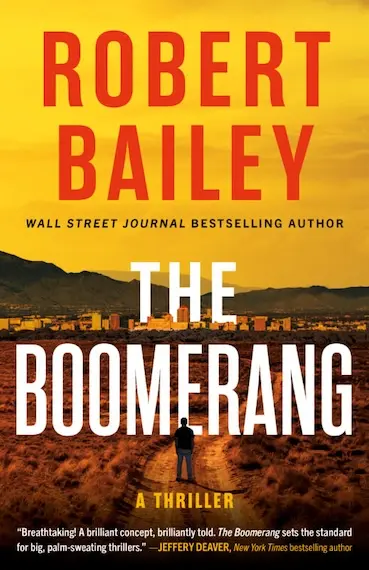
The Boomerang by Robert Bailey

Angela Cordova, Senior Instructor, School of Communication

The Boomerang is a little suspenseful and a lot thought-provoking with a little conspiracy theory thrown in for good measure! What happens when the government is harboring the secret to curing cancer and you accidentally discover it? You'll have to read to find out!”

Image
an image of the cover of The Boomerang

The Girl Behind the Gates by Brenda Davies

Angela Cordova, Instructor, School of Communication

The Girl Behind the Gates reflects a very sad time in history when young women were placed in insane asylums because they were morally defective according to church leaders. This book is based on a true story and follows one young woman who was committed due to said 'morally defective behaviors.' The story is heart wrenching in so many ways and will stay with you long after you finish the book.”

Image
an image of the cover of The Girl Behind the Gates

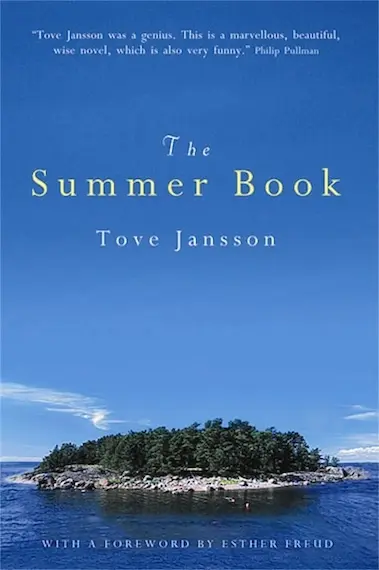
The Summer Book by Tove Jansson

Sarah Cunningham, Senior Instructor, School of Language, Culture, and Society

“I wish I knew who recommended I add this book to my TBR list so I could thank them. I loved everything about this 'nothing happens' sort of story. There's no journey and no stranger coming to town; it's just a series of vignettes about a grandmother and granddaughter as they summer on a small island in the Gulf of Finland. I think what I liked best about it was how the grandmother used exploring the island and surrounding area as a way of instilling in her granddaughter the same appreciation of nature the grandmother has.”

Image
an image of the cover of The Summer Book

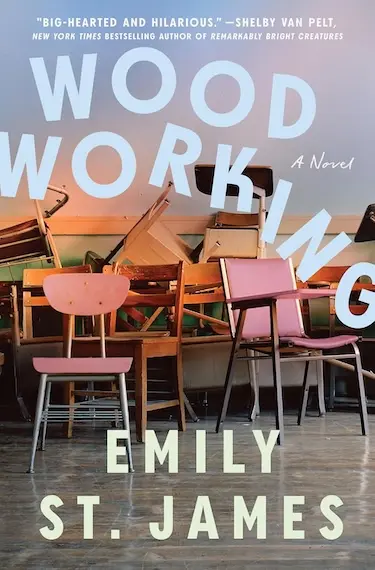
Woodworking by Emily St. James

Liz Delf, Senior Instructor, School of Writing, Literature, and Film

“A warm, funny, and insightful debut novel about trans identity, solidarity, and community. The characters were well developed (Abigail is such a snarky teen, her eye-rolling disdain and simultaneous need for connection and protection perfectly captured), and I especially appreciated how this book handles relationships between characters at different stages of self-acceptance. I loved the shifts in point of view across the book, including one that packed real emotional weight. A great surprise from a new author! ”

Image
cover image of Woodworking

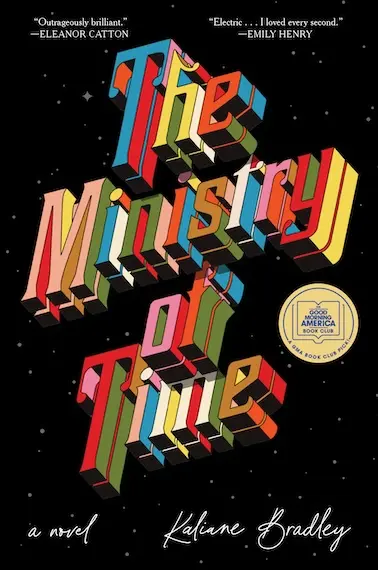
The Ministry of Time by Kaliane Bradley

Jessica Dietch, Assistant Professor, School of Psychological Science

“This book (a debut novel), arguably classifiable as time travel sci-fi, romance, historical fiction, or spy thriller, transcended genre in a way that certainly irritated an impressive range of wonks. For me, it was just the right mix to keep me up late into the night finishing it (and lightly weeping, by the end).”

Image
book cover The Ministry of Time

Crooked Cross by Sally Carson

Emily Elbom, Senior Instructor, School of Writing, Literature, and Film

“Originally published in 1934 and republished this last year, the novel charts the very different paths an ordinary German family takes during the rise of the Nazis in 1932 and 1933. With the political and social landscape of Bavaria as the backdrop, the novel focuses on the unbreakable relationship between the daughter of the family and her Jewish fiancé. As a contemporary reader, we live with the heartbreaking knowledge of what happened after the novel ends, and the questions Carson raises seem just as relevant now as they did when she posed them in 1934.”

Image
cover image of Crooked Cross

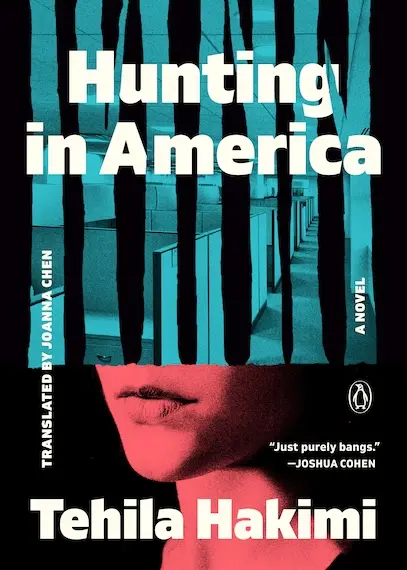
Hunting in America by Tehila Hakimi

Gilad Elbom, Senior Instructor, School of Writing, Literature, and Film

“A strange, fast-paced, unsettling novel about a young Israeli woman who joins an American man on multiple hunting trips during a long winter. Both are corporate employees, navigating the treacherous terrain of the business world on workdays, the frozen outdoors on weekends. I appreciate the inherent ambiguities of the novel. Events and emotions are never fully explained, never fully clarified. Every shot is meticulously documented, yet the reader remains, along with the narrator, mostly in the dark.”

Image
book cover of Hunting in America

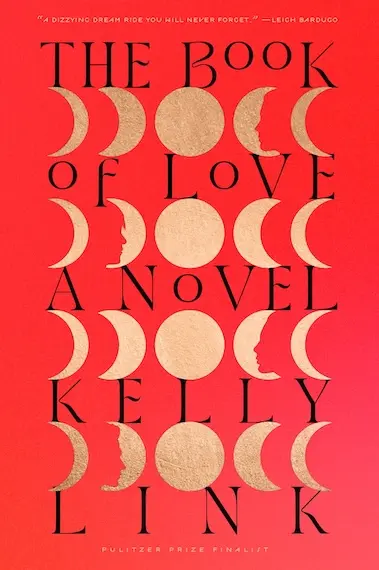
The Book of Love: A Novel by Kelly Link

Evan Gottlieb, Professor, School of Writing, Literature, and Film

“Link was already well known for her wonderfully unpredictable short stories, so expectations were high for her first novel—and The Book of Love still exceeded them in every way! Despite its overly generic title, it is an uncategorizable blend of fantasy and realism in its depiction of several friends in a seaside town who must try to negotiate simultaneously finishing high school and becoming guardians of an interdimensional portal. If this sounds ridiculous, then perhaps it would be so in the hands of a lesser author—but in Link's hands, it becomes a mind- and genre-expanding experience like few others. ”

Image
cover image of The Book of Love

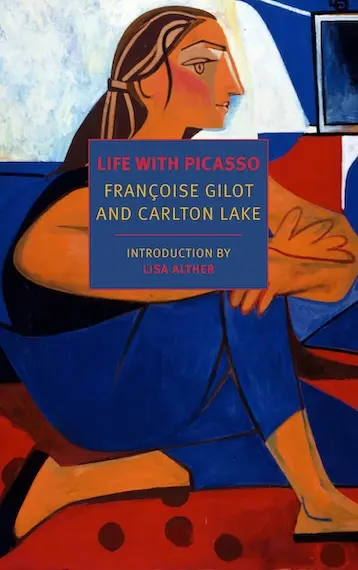
Life with Picasso by Françoise Gilot

Kristin Griffin, Senior Instructor, School of Writing, Literature, and Film

“Françoise Gilot's memoir about her ten-year relationship with Picasso is fascinating not just because of all the 20th century titans of the art world who appear, fully formed, on the page. It’s also a compelling story about Gilot’s development as an artist in her own right and what it means to lead a creative life. Not a new release (it was first published in '61), but in so many ways as relevant as ever. I'm still thinking about it!”

Image
book over of Life with Picasso

The War on Tenure by Deepa Das Acevedo

Sebastian Heiduschke, Professor of German, School of Language, Culture, and Society

“I read this book in reaction to the attack on tenure. It is informative, very well written, jargon-free, and it equipped me with answers, provided data, and made me think about strategies to respond to the war on tenure. If you read only one book next year, this should be it.”

Image
cover image of the War on Tenure

Tom's Crossing: A Novel by Mark Z. Danielewski

Tim Jensen, Associate Professor and Director, School of Writing, Literature, and Film

“I am currently enthralled by Danielewski’s latest novel, Tom’s Crossing. Haven’t been gripped by a book so holistically in a long, long time.”

Image
cover image of Tom's Crossing

Tender Is the Flesh by Agustina Bazterrica

Kara Keller, Academic Advisor, School of Public Policy

“I've spent a good part of this year recommending it so I can have others to talk to about it. Not for the faint of heart or those that don't want to be thinking about it months and months later.”

Image
cover of the book Tender is the Flesh

If Anyone Builds It, Everyone Dies: Why Superhuman AI Would Kills Us All by Eliezer Yudkowsky and Nate Soares

David Kerr, Professor, School of Psychological Science

“This book is a short and accessible explanation of why doomers argue AI super intelligence will not be controllable or even understandable once it is grown, and why it will lead to human extinction. The book made me wonder why we are talking about anything else. Perfect holiday gift!”

Image
a cover image of the book If Anyone Builds It, Everyone Dies

They Flew: A History of the Impossible by Carlos Eire

Amy Koehlinger, Associate Professor, School of History, Philosophy, and Religion

They Flew is a historical exploration of seemingly-impossible religious phenomena in early modern Europe—stories of saints who levitated or were able to bi-locate, witchcraft and demonic possession—by award-winning Yale historian Carlos Eire. The examples are fascinating in and of themselves, but Eire uses them as lenses to explore the period when the miraculous and the impossible fit comfortably within the structure of reality, even as Newtonian principles presented the world as knowable and predictable. Planting his feet firmly in ontologies of the early moderns, Eire illuminates how categories of "natural" and "supernatural," "normal" and "paranormal" determined what was considered real in the 17th and 18th centuries and, by extension, how these categories function in the contemporary moment. Eire challenges readers to ponder whether there is more to reality than fits within present day categories of scientific materialism.”

Image
a cover image of the book They Flew

The Bear by Andrew Krivak

Amy Koehlinger, Associate Professor, School of History, Philosophy, and Religion

“A tender post-apocalyptic novel about the last human living and dying in an Edenic future. Beautiful writing, gentle story, a thoughtful and thought-provoking meditation on human fragility. As the last human learns that she is not truly alone—and never has been—the reader is invited to also ponder the interconnectedness of their own life with all things. The last scene had me weeping at the sheer beauty of it.”

Image
an image of the book cover of The Bear

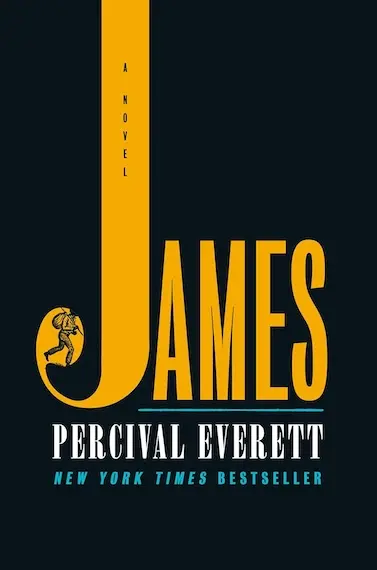
James: A Novel by Percival Everett

John Larison, Senior Instructor, School of Writing, Literature, and Film

“I just read the last line of this fiery, magnificent novel this morning. The final word lands like a hammer on a cauldron. As humming filled my ears, my mind traveled backward through 300 beautiful and brutal pages of shape-shifting adventure, hidden truths and conflicted loyalties. Everett has succeeded in producing a triumph that stands on its own two literary feet, while also adding urgent complexity to Twain's most enduring work.”

Image
book cover of James

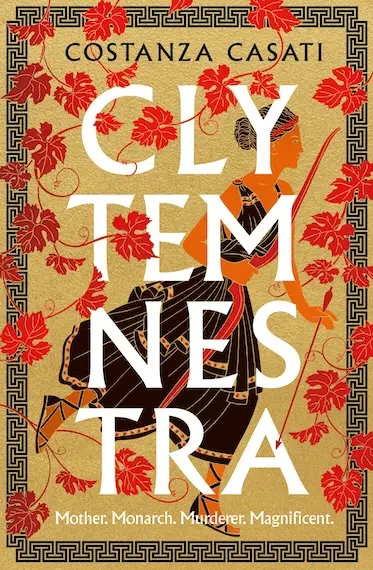
Clytemnestra by Costanza Casati

Shirley Mann, Student Success Coordinator

Clytemnestra, the retelling about the most notorious heroine and favorite villain of the Ancient World who reined as an unforgettable and ruthless queen, faced the men who wronged her, and forged a treacherous path to ensure everyone would know her name.”

Image
an image of the book cover Clytemnestra

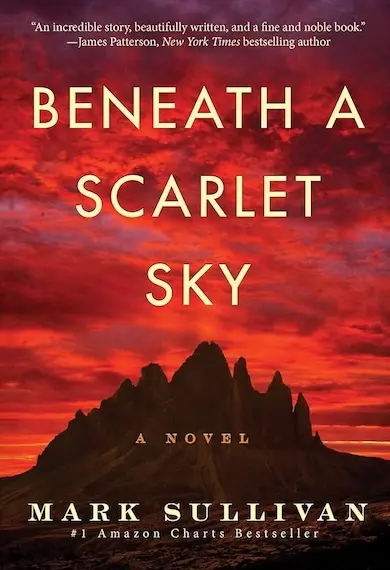
Beneath a Scarlet Sky by Mark Sullivan

Shirley Mann, Student Success Coordinator

“Based on the true story of a forgotten hero, Pino Lella, Beneath a Scarlet Sky is the tale of one young man’s incredible courage and resilience during one of history’s darkest hours. Pino endures the horrors of the war and the Nazi occupation by fighting in secret, his courage bolstered by his love for Anna and for the life he dreams they will one day share.”

Image
an image of the cover of Beneath A Scarlet Sky

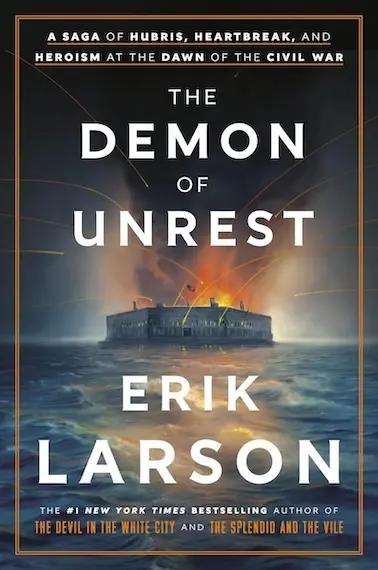
The Demon of Unrest by Erik Larson

Andy McNamara, Senior Director of Marketing and Communications

“Erik Larson writes painstakingly researched historical accounts in novel form. The Demon of Unrest is my favorite Larson book to date, bringing to life the five-month period between Abraham Lincoln's presidential election victory and the start of the Civil War. The parallels between certain events from 1860 to 1861 and today felt a little too on the money, which made this an even more compelling read.”

Image
Demon of Unrest book cover

The Bright Sword: A Novel of King Arthur by Lev Grossman

Rebecca Olson, Professor, School of Writing, Literature, and Film

“I have heard this book described as being a fresh take on Arthurian legend / the Knights of the Round Table (and it opens with a quote from Monty Python). But for me, someone who loved studying Malory's Morte d'Arthur in depth in graduate school (and who wept at its conclusion), it felt more like a return to a weird, wonderful, medieval world full of complex characters. ”

Image
cover image of The Bright Sword

Human Nature by Kate Marvel

Ed Ray, Professor of Economics, School of Public Policy

“A great primer on climate change and historical events as well as personal reflections of a climate scientist.”

Image
an image of the cover of Human Nature

One Day, Everyone Will Have Always Been Against This by Omar El Akkad

Jennifer Reimer, Assistant Professor of American Studies, OSU Cascades

“This is less a book about Gaza (Palestine) than it is about the West, about the craft and politics of writing, about love, about terror, about how power threads and winds, grasps and clutches, until it is inextricable from nearly every aspect of Western life and we from it. It is a book that asks: 'The moral component of history, the most necessary component, is simply a single question, asked over and over again: When it mattered, who sided with justice and who sided with power?' (El Akkad 62).”

Image
book cover of One Day, Everyone Will Have Always Been Against This

Vampires of El Norte by Isabel Cañas

Ana Milena Ribero, Associate Professor, School of Writing, Literature, and Film

“It's a romance. It's a war novel. It has vampires! This spooky novel is set during the Mexican-American War. It follows a young Mexican couple—star-crossed lovers—as they try to avoid the US troops invading their land. Cañas' take on vampires is unique and brutal. This isn't your mother's vampire novel!”

Image
cover image of Vampires of El Norte

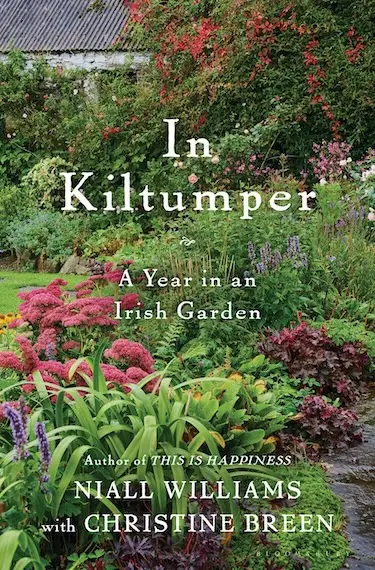
In Kiltumper: A Year in an Irish Garden by Niall Williams

Larry Rodgers, Professor of English, School of Writing, Literature, and Film

“It’s pre-COVID 2019. Niall Williams, one of contemporary Ireland’s most lyrical (and prolific) novelists, moved to a small farm with his wife, Christine, near Ireland’s west coast 35 years earlier to pursue a shared writing life. Christine is in recovery from cancer and construction of a nearby turbine wind farm is bringing to a close the rural idyll they’ve shared. Amid this loud and very real metaphor for the intrusions of the modern world, Williams’ book chronicles the month-by-month means by which their home and, especially, their garden have remained touchstones for bringing meaning to their writing lives. ”

Image
cover image of the book In Kiltumper

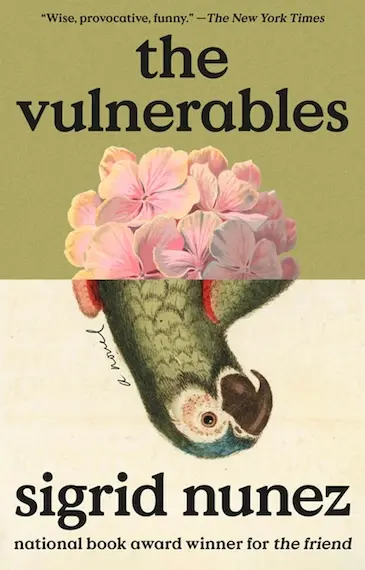
The Vulnerables by Sigrid Nunez

Morgan Ross, Assistant Professor, School of Communication

“I've been on a Sigrid Nunez kick for a few years now. Her books are smart, funny, and short, with a wry and approachable writing style. This book takes place during the pandemic but speaks far beyond it.”

Image
a cover image of the book The Vulnerables

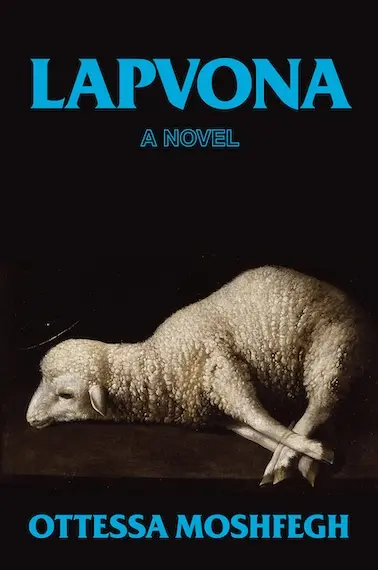
Lapvona: A Novel by Ottessa Moshfegh

Sam Schwartz, Senior Instructor, School of Writing, Literature, and Film

“The novel's setting is medieval, but it's not an historical novel, per se. The characters, thoroughly un-modern, are stripped down to their bare humanity, dwelling on the oldest themes: power, birthright, jealousy, desire. Moshfegh never repeats herself. I think she's one of the more interesting novelists working today.”

Image
the book cover of Lapvona

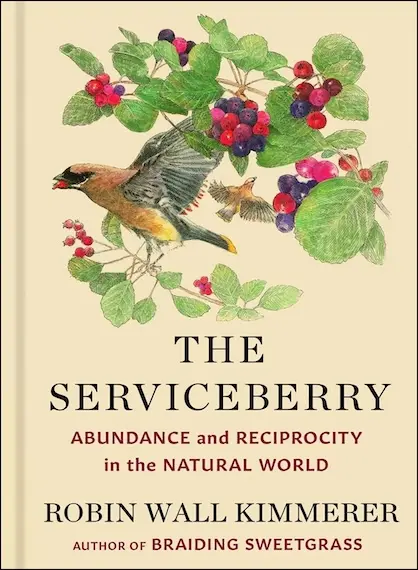
The Serviceberry: Abundance and Reciprocity in the Natural World by Robin Wall Kimmerer

Keith Van Norman, Web and Digital Communications Specialist

“This book was a wonderful and hopeful companion piece to Braiding Sweetgrass. I appreciate how Kimmerer advocates for reimagining economic systems based on Indigenous wisdom, emphasizing gratitude, abundance, and mutual care rather than individualism and resource hoarding. The illustrations by John Burgoyne were a welcome addition!”

Image
an image of the cover of The Serviceberry

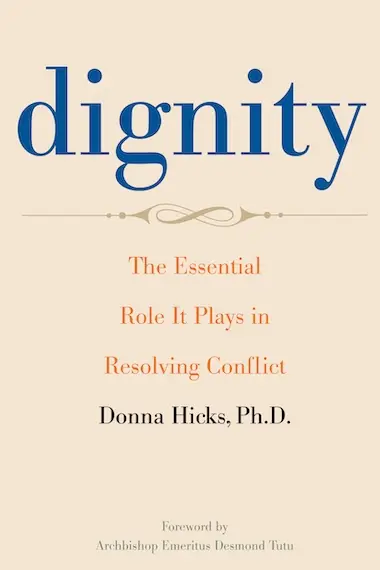
Dignity: Its Essential Role in Resolving Conflict by Donna Hicks

Corrina Ward, Senior Instructor, School of Communication

“This phenomenal book explains how all conflict centers around violations of dignity, what the essential elements of dignity are, what the temptations to violate dignity are, and how we as people can learn to resolve conflict using this knowledge and the tools provided. Dr. Hicks is a highly accomplished international conflict negotiator and associate at the Weatherford Center for International Affairs at Harvard University and an advisor to the Center for Humanistic Management at Fordham University's Gabelli School of Business."

Image
an image of the book cover Diginity

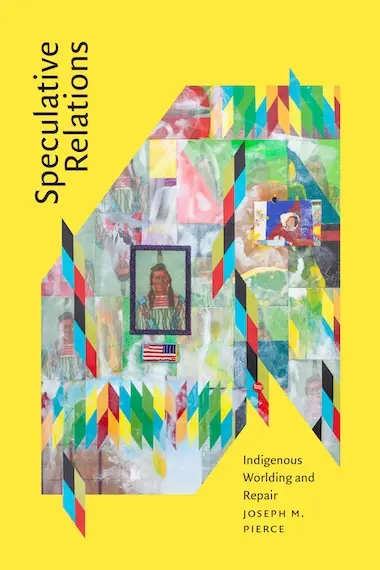
Speculative Relations: Indigenous Worlding and Repair by Joseph M. Pierce

Luhui Whitebear, Assistant Professor of Indigenous Studies, School of Language, Culture, and Society

“This book is really amazing and was hard to put down. Understanding kinship, connection to place, and Indigenous futures through critical analysis and art as beneficial to everyone was a beautiful part of this book. I appreciate Pierce's approach and centering his own Cherokee knowledge systems which helped me reflect on my own specific Tribal frameworks I use to navigate a colonized world. I'm looking forward to using his book in my classes, especially as well all look towards a world more healed than the one we are currently living with. "

Image
an image of the cover of Speculative Relations

CLA Research: New study reveals why listening to communities is key to faster renewable energy projects

By Colin Bowyer on Dec. 1, 2025

Research by scholars at the School of Public Policy draws on global case studies to outline actionable strategies for key stakeholders to incorporate community concerns during the clean energy transition

Image
two headshots of the researchers side-by-side

Boudet and Hazboun

By Colin Bowyer, Communications Manager - December 2, 2025

Globally, countries have established ambitious targets for renewable energy development to address the climate crisis. Decades of research has found broad public support for renewable energy technologies, such as wind and solar, yet, attempts to act on building renewable energy projects have often run into local opposition. Prior studies have recognized that local communities are often left out of the planning processes for renewable energy development, or are provided minimal opportunity to engage, which can shape how much they trust the developer and planning officials.

An enlightening new study published in Nature Reviews Clean Technology by researchers from the College of Liberal Arts’ School of Public Policy highlights a critical insight for the global renewable energy transition: speed and equity must go hand in hand. 

The study, “Going Slow to Go Fast: Understanding Social Responses to Renewable Energy,” co-authored by School of Public Policy faculty Hilary Boudet and Shawn Hazboun, both affiliates of the Pacific Marine Energy Center, synthesizes decades of social science research on public opinion, community response, and energy justice. Their analysis finds that even though the wider public endorses rapid development to meet global renewable energy targets, projects are oftentimes delayed or cancelled due to developers and planning officials choosing not to to truly engage communities.

“There are no perfect solutions for public engagement to deliver speedy and conflict-free solutions,” said Hazboun, “Yet, avoiding or circumventing such processes is likely to result in delays, lawsuits and protests, in addition to inequitable outcomes.” 

Boudet and Hazboun propose a “go slow to go fast” approach to allow speed and equity work in concert, allowing the public to provide input and the appropriate permitting and oversight process to occur. In the study, the researchers’ key findings include:

  • Community engagement is essential: Projects that fail to involve local communities meaningfully often encounter resistance, causing delays averaging 11–14 months or outright cancellations.
  • Equity drives speed: Incorporating principles of energy justice, i.e. a fair distribution of benefits, recognition of impacted communities, and transparent decision-making, reduces opposition and accelerates deployment.
  • Understanding concerns: Opposition is rarely about shortsightedness, but, instead reflects legitimate concerns about environmental, cultural, and economic impacts.
  • Emerging challenges: Offshore renewables, Indigenous rights, misinformation, and populist narratives pose new hurdles for equitable energy transitions.
  • Success generates more success: Well-executed projects enhance trust and improve the industry’s reputation, paving the way for future developments.

The authors’ recommendations for future renewable energy development involve investing in early and meaningful engagement with community members, delivering tangible benefits, e.g. jobs, profit-sharing, or community ownership, and adopting post-growth, socio-ecologically just models to counter populist arguments and create equitable, sustainable societies.

“Speed and justice are not contradictory,” explained Boudet. “Research has shown that when renewable energy and other decarbonization projects are planned without meaningful community engagement communities are likely to significantly oppose development. We’re seeing that, although it takes additional time in the short run, engagement enables faster development in the long run.”

DEI in the world of sports

By Colin Bowyer on Dec. 1, 2025

Doctoral student I-Yun Lee is bridging research and activism to reduce barriers of entry to professional sports organizations

Image
person with glasses wearing a grey sweater and blue shirt standing in front of a grey background smiling at the camera

I-Yun Lee

By Jessica Krueger, CLA Student Writer - December 3, 2025

“It’s hard not to be an Eagles fan,” I-Yun Lee said as she gestured to the back wall of her office. There, behind her desk, was a large green Philadelphia Eagles banner. And beside it, a framed copy of the Philadelphia Inquirer, when the Eagles made the newspaper’s frontpage for their 2025 Super Bowl victory.

But it’s not just the Eagles’ win streak that Lee celebrates—it’s the team’s capacity to foster human connection, their potential to create positive change. “When you’re at an Eagles game, it doesn’t matter who is sitting next to you,” she said. “When the Eagles score a touchdown, it’s high fives all around.” 

Of course, sports can also create inequities and reinforce harmful systemic structures, Lee said. Efforts of professional sports organizations to incorporate diversity, equity, and inclusion (DEI) initiatives have not always been successful in accomplishing the DEI goals the organization had originally intended. In other cases, organizations opt for convenient or low-risk initiatives, reducing to tokenism or performative gestures instead of dismantling systemic inequities. As a result, Lee said, many professional sports organizations have done away with or drastically altered their DEI programs. 

Lee’s interest in this issue stems partly from personal experience. As an undergraduate student, she was recruited to participate in DEI initiatives hosted by various professional sports organizations. “I would go to these things,” Lee said, “and I just felt like a checkbox.” As Lee was filling out an application for one of the initiatives, she saw a clause at the end of the form which barred international students or those who required a VISA to remain in the US. “And I thought,” Lee said, “if they can do this to international students, they can easily do it to any other group.”

Lee wants to figure out what can be done to make things better—both for the world of sports and for the people who face barriers of entry to it. As a third year doctoral candidate in the School of Language, Culture, and Society’s Women, Gender, and Sexuality Studies (WGSS) program, Lee is driven to make professional sports organizations into the platform for community, acceptance, and positivity that she knows they can be. 

The best path forward, Lee said, is to bridge research with activism. Her goal is to create an action-oriented, strategic plan—or “playbook,” rather—that professional sports organizations can use to pinpoint where and how a DEI initiative would best fit the institution. “DEI is not one size fits all,” Lee explained. “Organizations need to think things through more and having a strategic plan will help them do that.”

Lee grew up in Taiwan and came to the United States in 2018 to study sport and recreation management at Temple University in Philadelphia. That, Lee said, is when she became an Eagles fan. But she had always been interested in sports—and football especially. Prior to moving to the US full-time, Lee attended various sporting events at the University of Oregon during a visit with her sister. “I just thought it was so cool,” Lee said. “And I thought—that’s what I want to do.”

Through her undergraduate degree program at Temple, Lee secured a summer internship with the Portland Pickles, a baseball team based out of Portland. She worked in a variety of management positions, gaining valuable hands-on experience all the while. Every day was a little bit different, Lee said, depending on the needs of the team. Over the summer, she helped with camera broadcasting, merchandise sales, game scheduling, and team sponsorships. Once, she even got to dress up as the team’s mascot Dillon the Pickle. “It was a fun summer,” Lee said. 

After graduating from Temple, Lee attended Rowan University in Glassboro, New Jersey. There, she received a master’s degree in diversity and inclusion. Her research centered on the experiences of women of color as they navigated DEI initiatives sponsored by professional sports organizations.

Outside of her doctoral studies, Lee currently serves as an editorial assistant for Feminist Formations, an interdisciplinary journal that got its start at OSU in 1988. Feminist Formations publishes academic research on feminism, gender, and sexuality. Lee helps to streamline the journal’s submission and peer-review processes. 

After completing her doctorate degree at OSU, Lee hopes to be, first and foremost, an agent for change. She doesn’t know yet whether she will stay in academia or enter the sports industry, but is excited to take action wherever she goes. One thing is for sure: if there’s an Eagles bar anywhere around, Lee might just stop by.